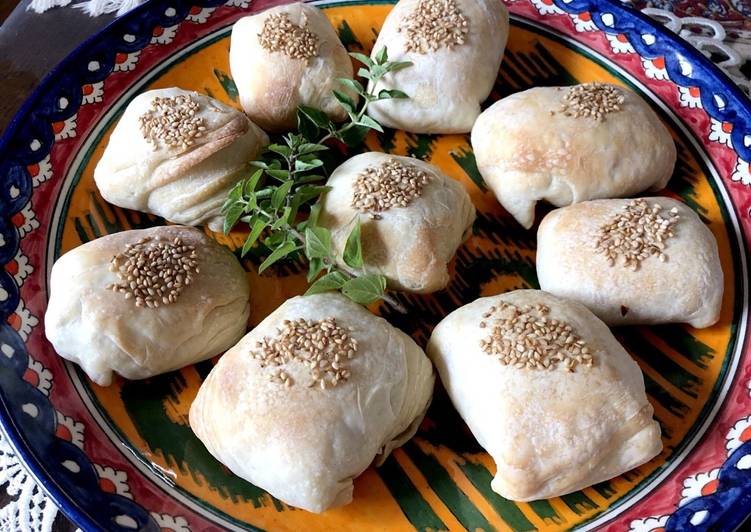
Hello everybody, it’s Drew, welcome to our recipe page. Today, I will show you a way to prepare a special dish, biangbiang mian/noodles (handpulled noodles). It is one of my favorites. For mine, I’m gonna make it a bit tasty. This will be really delicious.
Biangbiang mian/noodles (handpulled noodles) is one of the most favored of recent trending foods on earth. It is easy, it is fast, it tastes yummy. It is enjoyed by millions daily. They’re nice and they look fantastic. Biangbiang mian/noodles (handpulled noodles) is something which I have loved my entire life.
To begin with this recipe, we must first prepare a few components. You can cook biangbiang mian/noodles (handpulled noodles) using 20 ingredients and 13 steps. Here is how you can achieve it.
The ingredients needed to make Biangbiang mian/noodles (handpulled noodles):
- Make ready For the noodle dough:
- Take pasta or plain flour
- Make ready salt (use more or less depending on preference)
- Prepare water (use more or less depending on flour)
- Make ready Oil for coating noodles:
- Prepare vegetable oil, to coat the fresh noodles (use more or less depending on quantity of noodle)
- Take Cooking the noodles:
- Make ready (boiled kettle water)
- Make ready water, cold
- Prepare Blanching the vegetable:
- Prepare pak choi, stems into wide strips and leaves into finer strips
- Prepare Assembling the noodles:
- Prepare garlic clove, finely minced or grated
- Get spring onion, finely sliced
- Make ready chili powder
- Take salt, for each serving
- Take light soy sauce serving (add more or less depending on preference)
- Get black rice vinegar per serving (add more or less depending on preference)
- Take Hot oil:
- Take vegetable cooking oil, per serving
Steps to make Biangbiang mian/noodles (handpulled noodles):
- To make the noodle dough in a large bowl, mix salt with flour. Then add water and stir bit by bit. Using either an electric mixer with a dough hook attachment to mix or if by hand using chopsticks. Tip: add the required water amount first to see whether the dough forms and is kneadable. If not add a tiny drop more water at a time until the dough forms a ball.
- Continue kneading the dough until smooth. Cover the noodle dough with cling film and let it rest for 20 minutes.
- Then after 20 minutes knead the dough again, until the surface is really smooth. This will make the dough easier to work with later and make it very pliable when stretching the dough to make the noodles. Cover the dough again with cling film and let it rest for another 20 minutes.
- In a small bowl pour the vegetable oil. In a medium size baking tray lightly coat and brush with vegetable oil. Remove the noodle dough from the mixing bowl and place on a chopping board. Weigh the dough and cut into two equal halves. Using the first half of the dough cut the dough into 6 portions, cover the other half with cling film (to prevent it drying out). There will be 12 noodle logs in total.
- Shape each one portion into a long log and brush all over with oil. Repeat the process for the second half of the dough. Once all the noodle dough have been shaped and oiled, cover with cling film. Let the noodle log rest for at least 1 hour or until ready to use. Tip: If making the noodles in advance put the noodle log into the fridge and take out an hour before use to let the noodles come to room temperature.
- In a large saucepan pour in the boiled water. On medium heat, bring water to a boil. In the meantime take one noodle log out and place it on a clean flat surface or on a large silicone mat.
- Flatten it and using a rolling pin roll out side ways to make the dough wider (make it as wider as per preference) and then roll out into a wide rectangle. Using chopsticks press it into the middle of the dough to indent it. Tip: this makes it easier to separate the noodles later.
- Then gripping and holding the two ends of the noodle strip slam the noodle dough against the silicone board flat surface This creates the smacking sound. While smacking the noodle dough slightly stretch it during the smashing process. This will make the noodles long. Tip: stretch out the noodles slowly to prevent breakage.
- Once noodles are at desired length, separate noodles along from the chopstick trace. Tip: separate the noodles all the way to have two noodle pieces or partially separate but don't rip one end to have one long noodle. Repeat the process until you have the desired amount for that portion. I usually cook 6 strands at a time. Then separate noodles per portion in the bowls. Tip: If making it for a large family double the portion size. Have two pots of water on the go so you can cook more at once.
- Go back to the pot of boiling water and add the stems of the pak choi. Once they are half way cooked, add in the noodles. Once water boils again add cold water. And then add the leaves of the pak choi to blanch. Once noodles are cooked transfer the noodles and vegetables into a bowl.
- In the meantime, on medium to high heat in a pan or pot add 2 vegetable oil and heat it up until slightly smoky (this makes 1 serving). Turn off the heat.
- Then place as little or as much of the garlic, green onion and chilli powder on top on top of the noodles and pour the hot oil over the noodles (mainly over garlic, spring onions and chilli powder). Lastly, add soy sauce and black vinegar and mix well. Repeat process 6 to 12 for the remaining servings.
- Eat and serve immediately while the noodles are pipping hot. Tip: this batch should make enough for anyone that fancies a second round of biang biang noodles.
So that’s going to wrap it up with this exceptional food biangbiang mian/noodles (handpulled noodles) recipe. Thank you very much for your time. I’m sure you will make this at home. There’s gonna be more interesting food at home recipes coming up. Remember to bookmark this page on your browser, and share it to your family, colleague and friends. Thank you for reading. Go on get cooking!